Last updated: October 7, 2026
Termites do not wait for a convenient time to show up. In Sydney, warm weather, humidity, and older timber homes can create ideal conditions for silent damage. The safest approach is to spot the warning signs early and book a termite inspection in Sydney before repairs become expensive and disruptive.
What makes termites such a common problem in Sydney homes?
Sydney’s mix of coastal moisture, leafy suburbs, and timber construction gives termites plenty of chances to thrive. Many properties also have garden beds, retaining walls, decks, and fences that connect termites to the main structure.
Because termite activity can stay hidden inside timber, they may cause real damage long before owners notice anything. That is why a termite inspection Sydney is often more about prevention than confirmation.
Which subtle changes inside the home can point to termite activity?
Small changes often appear first around skirting boards, door frames, and window trims. Paint may bubble, floors might feel slightly uneven, or doors can start sticking for no obvious reason.
These signs can be confused with general ageing or moisture issues. When multiple changes show up in the same area, a termite inspection in Sydney helps confirm whether pests, water, or movement is the real cause.
Are mud tubes on walls or piers a serious red flag?
Yes. Mud tubes are one of the clearest visible termite signs, especially around brickwork, slab edges, piers, and subfloor access points. Termites build these tunnels to travel while staying protected from air and light.
Even if the tubes look old or damaged, they matter. Termites may still be active nearby, so a termite inspection in Sydney should be treated as urgent, not optional.
What do hollow-sounding timber and soft spots usually mean?
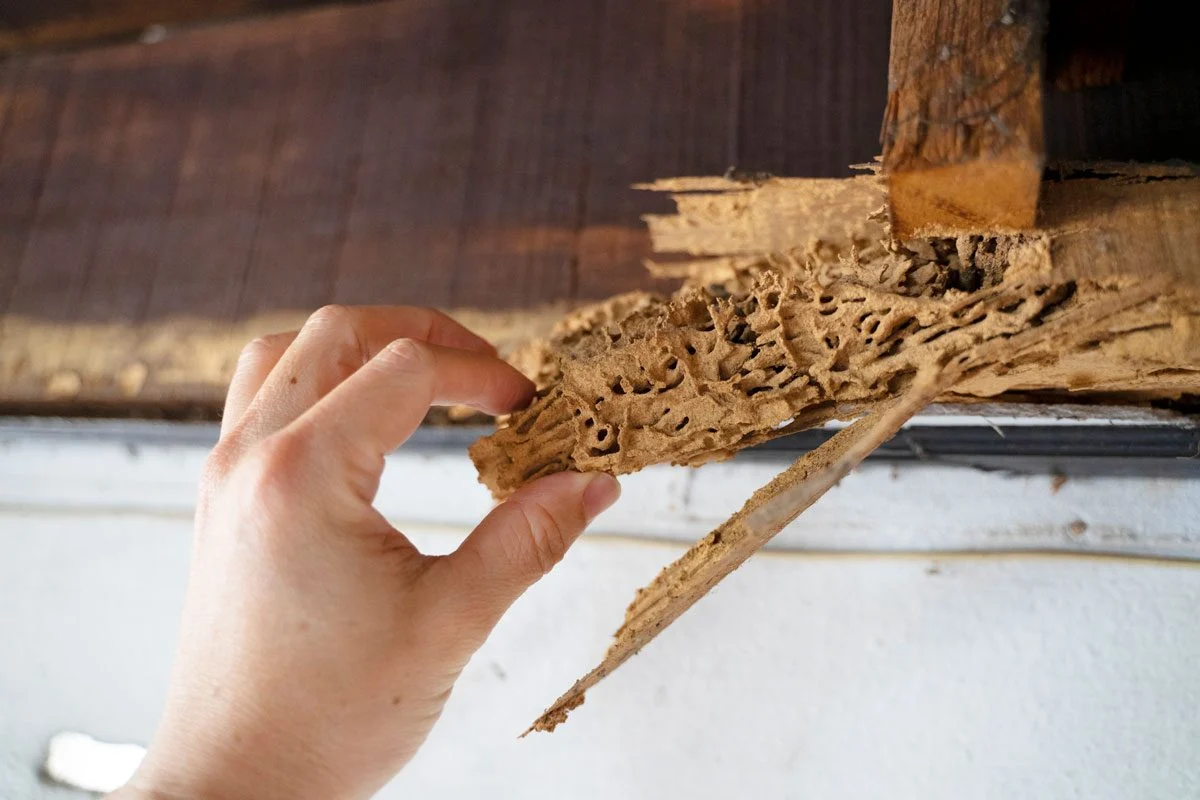
Timber that sounds hollow when tapped can indicate internal feeding. Skirting boards, architraves, door jambs, and even stairs may look fine on the surface while being weakened underneath.
Soft spots that dent easily are also concerning, particularly around wet areas like bathrooms and laundries. Booking a termite inspection in Sydney is the practical next step because visual checks alone miss most internal damage.
Can discarded wings near windows really signal a termite swarm?
Yes. After swarming, termites often shed their wings near windowsills, light fittings, and sliding doors. People sometimes mistake them for flying ants, then clean them up and move on.
In Sydney, swarming can happen seasonally, often after warm, humid weather or rain. Finding several wings indoors should trigger a termite inspection in Sydney, even if no other signs are obvious.
Does clicking in walls at night mean termites are inside?
It can. Some termite species make faint clicking sounds when disturbed, and soldiers may tap their heads against timber as a warning signal. Homeowners sometimes notice this at night when the house is quiet.
Clicking alone does not prove termites, but it deserves attention when combined with other clues. A termite inspection in Sydney can determine whether the noise is pests, timber movement, or something else.
What outdoor clues suggest termites may be close to the house?
Outdoor signs include mud packing in cracks, damaged fence panels, hollow tree stumps, and unexplained weakening in pergola posts or decks. Garden sleepers and old timber landscaping can also become a feeding site.
Because termites often start outside and move inward, external evidence is highly relevant. This is where a termite inspection in Sydney should include the garden, subfloor, and any timber-to-soil contact points.
Could moisture and drainage issues be inviting termites?
Yes. Leaking outdoor taps, overflowing gutters, poor subfloor ventilation, and air-conditioning runoff can raise moisture levels. Termites are drawn to damp environments, and moisture can also soften timber and make entry easier.
When a property has ongoing dampness, prevention becomes harder without fixing the source. A termite inspection in Sydney often highlights moisture risks so owners can address both the cause and the pests.
When should Sydney homeowners act even if they cannot see any damage?
They should act when risk factors stack up. Renovations that expose timber, adding garden beds against walls, storing timber under the house, or buying an older property can all raise termite risk.
Homeowners should also act early after neighbours report termite activity, since local spread is common. In these situations, a termite inspection in Sydney is a sensible preventative move, not an overreaction.
How quickly can termites cause costly structural problems?
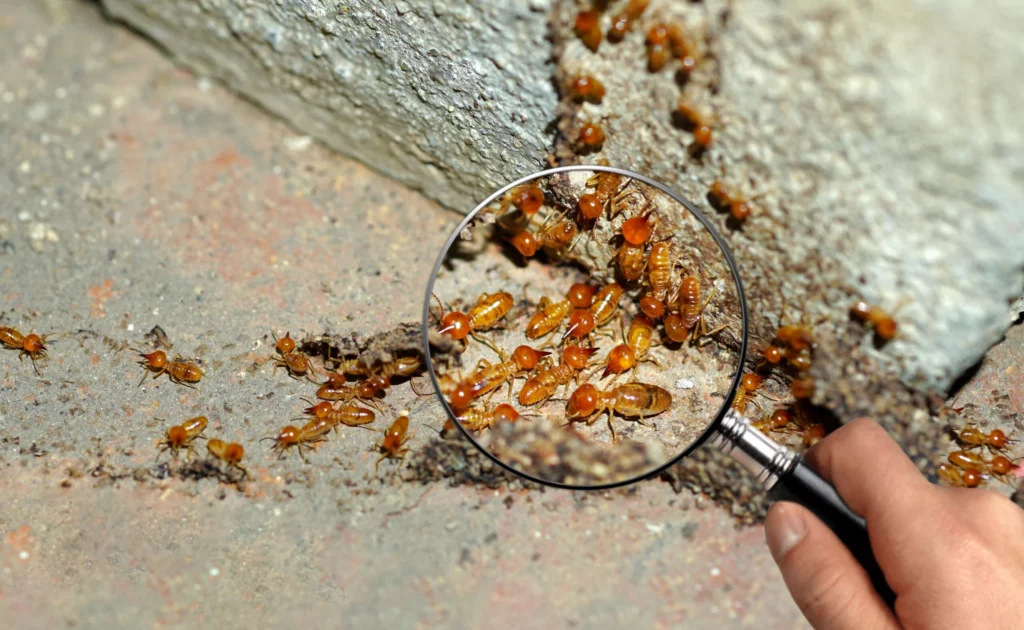
Termites can cause meaningful damage in months, not years, depending on colony size, timber access, and moisture. Structural timbers, bearers, joists, and roof elements can be affected without obvious surface clues.
By the time floors dip or frames shift, repairs may be extensive. A termite inspection in Sydney helps catch problems earlier, when treatment and repairs are usually simpler and cheaper.
What should they expect during a professional inspection?
A proper inspection typically checks the interior, exterior, roof void where accessible, subfloor, and any timber structures on the property. Inspectors look for live termites, workings, damage, moisture issues, and conditions that increase risk.
They should also receive a written report with findings and recommendations. If they are booking a termite inspection in Sydney, they can ask in advance what areas will be accessed and what limitations may apply.
How can they reduce termite risk while waiting for an inspection?
They can start with basic housekeeping that removes easy access. Timber, cardboard, and garden debris should be cleared away from walls and subfloor vents. Any obvious leaks should be fixed, and garden beds should be kept below weep holes where applicable.
They should avoid disturbing suspected areas too much, since termites may retreat deeper and become harder to detect. The priority is to schedule a termite inspection in Sydney and keep conditions stable until it is done.
What is the simplest rule for deciding whether to book an inspection?
If they notice even one strong sign, or several subtle ones, they should book. Termite issues rarely improve on their own, and delays tend to increase cost and stress.
For most households, the safest choice is acting early. A termite inspection in Sydney is a small step compared with the disruption of major repairs, and it gives them clear answers instead of guesswork.
More to Read : How to Choose the Right Termite Treatment in Sydney for Your Home